Compare the Scope, Schedule and Handover
A useful construction schedule follows a defined scope. Confirm the contractor, approvals, site readiness, separate trades and handover requirements before treating a target date as a commitment.
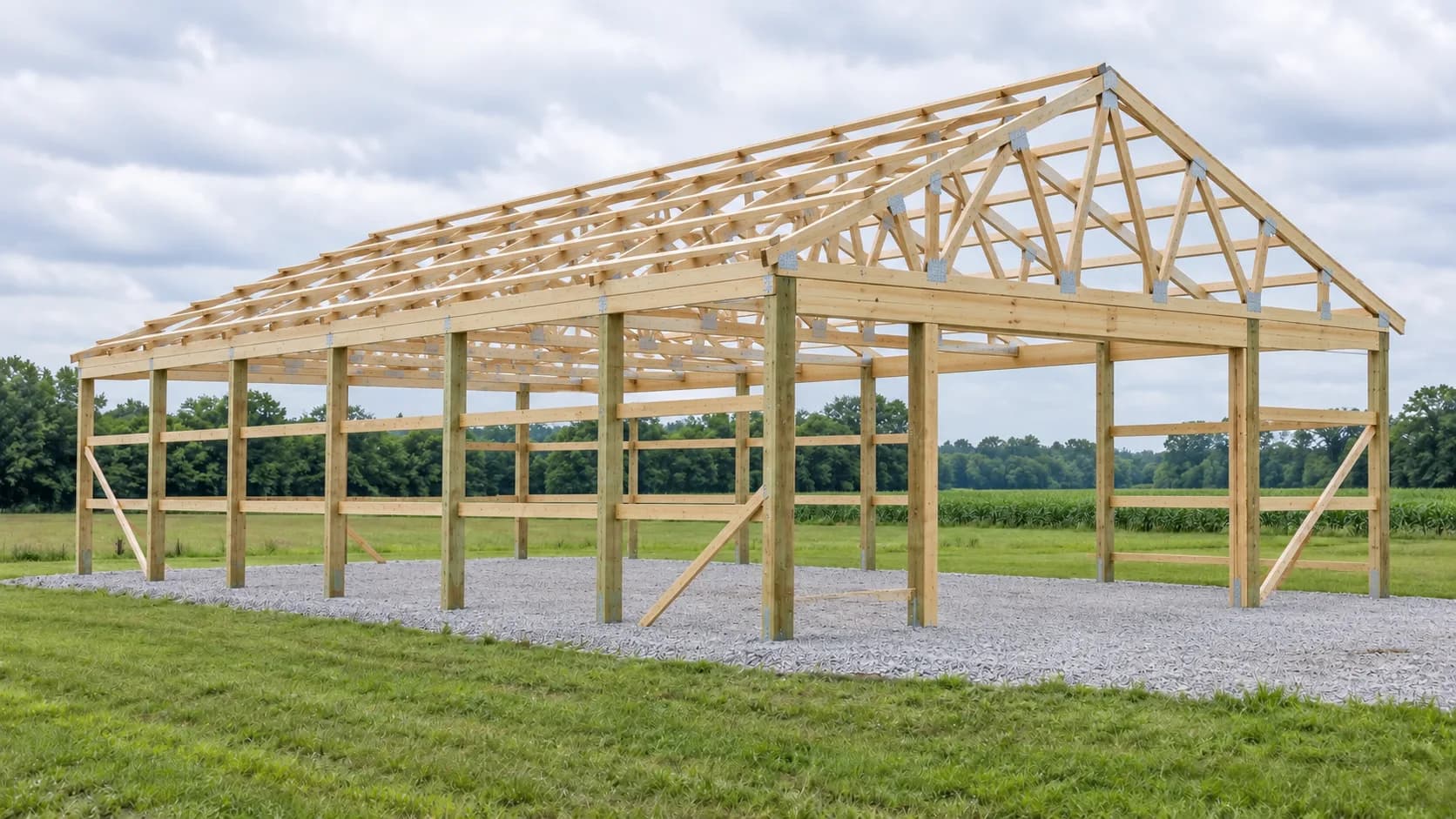
Identify Who Contracts for Each Part
Record who supplies the design, obtains approvals, prepares the site and carries out each trade. A website inquiry or a crew introduction does not itself define those responsibilities. Get the actual contracting details in the written agreement.
Compare the Sequence
Discuss design and approvals, ordering, site preparation, structural or installation work, separate trades and completion. The sequence depends on the project. For example, a floor or utility task may need coordination with the building rather than an assumed standard order.
Confirm the Conditions Behind a Date
Ask whether the proposed start depends on approvals, materials, access, weather or another contractor finishing first. Distinguish a target start, time on site and completion of the entire project. Do not infer a guaranteed construction window from a quote request.
Agree How Changes Are Approved
Keep a written record of changed scope, additional cost and schedule effects. Establish who can authorize work and how hidden or existing conditions are assessed before the crew proceeds.
Make Handover Useful
Ask for relevant product information, warranty documents, inspection records and operation or care instructions. Discuss what to check after storms, how doors or gates should operate and who to contact about defects. Maintenance instructions must match the actual installed materials and equipment.
Continue Planning Your Project
Compare the relevant service and location pages, then bring the remaining questions to your quote request.
Ready to Discuss Your Project?
Call or request a free quote through our Amish and local crew connections. Confirm the contractor, included work and timing before agreeing to a project.