Farm Fencing in LaGrange, IN
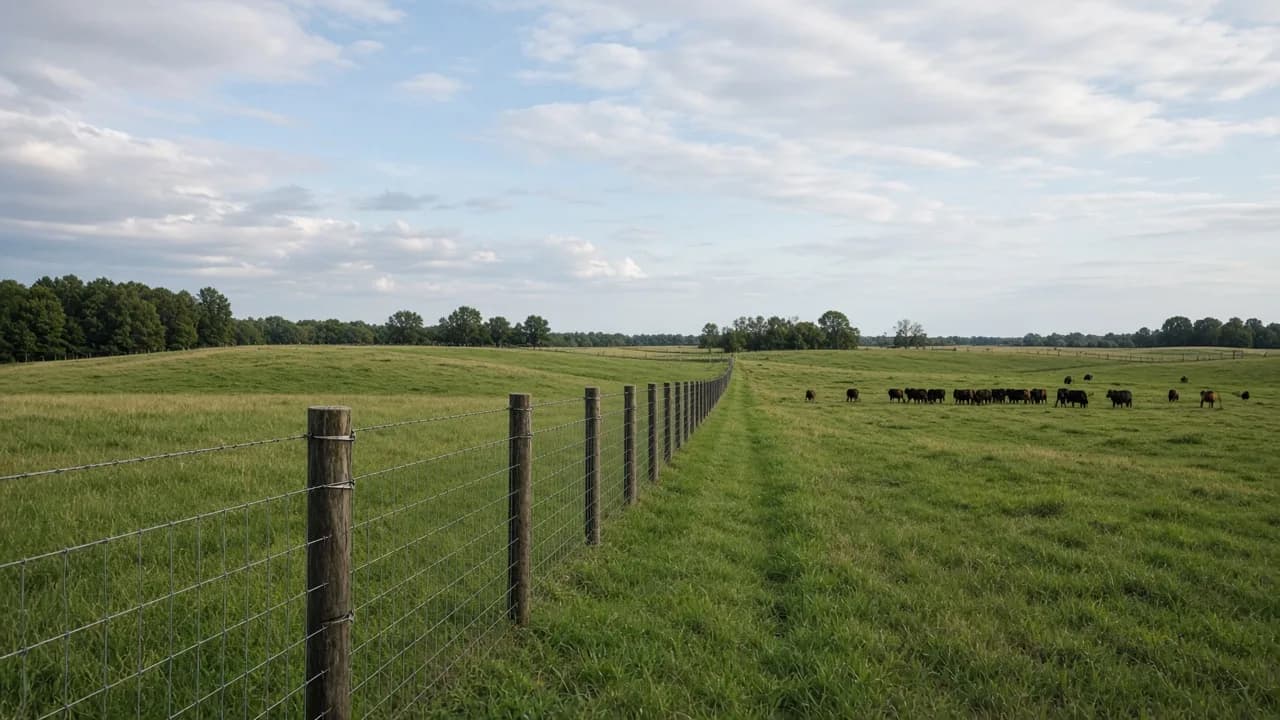
Livestock, horse, and high-tensile fence for pasture and property lines. Built for LaGrange County by proven Amish and local crews, get a straight quote with no obligation.
- Proven Amish & local crews
- Free, no-obligation quotes
- Northern Indiana & SW Michigan
- Honest ranges, no bait pricing
Free LaGrange quote
Tell us about your project and where it's going. A crew follows up fast.
Farm Fencing in LaGrange, Indiana
LaGrange is horse country through and through, from town out toward Topeka and up into the Pigeon River country. Board and post-and-rail horse fence lives or dies on its corners, so our crews from nearby Shipshewana set posts deep and brace every corner to keep your pasture lines true.
Serving LaGrange and LaGrange County
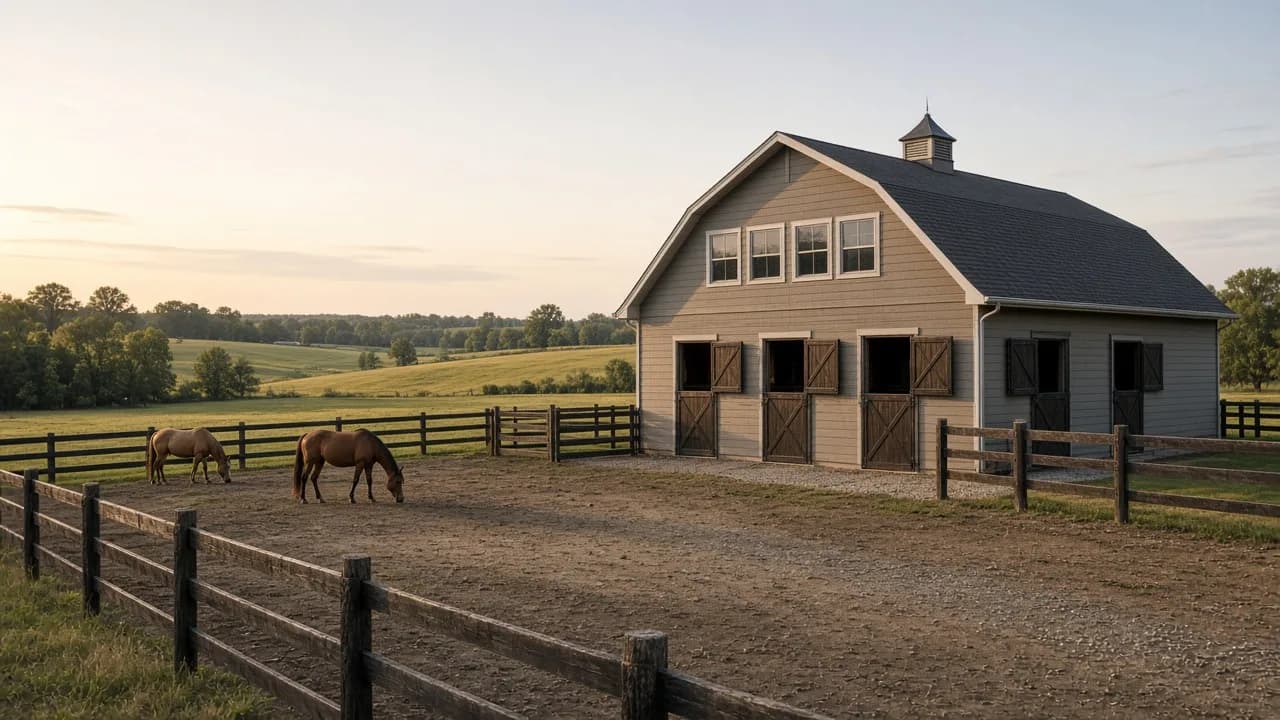
LaGrange is the county seat and, with Topeka just to the southwest, the center of gravity for Michiana horse country. This is the heart of the LaGrange-Elkhart Amish settlement, where horses aren't a hobby but a working part of daily life, and the demand for horse barns, stables, and run-in shelters is unlike anywhere else in the area. Beyond the horse buildings, the land along US-20 and SR-9 toward the Pigeon River country is productive farm ground running to livestock, hay, and equipment storage on plain-community farms.
Horse country shapes the building demand: barns designed around stalls, aisles, hay, and ventilation rather than generic storage. On unincorporated farm parcels, permits run through the LaGrange County Building Department in LaGrange, (260) 499-6300, which requires the building contractor to register with the county before a permit issues, so allow a few business days. Much of the surrounding farmland may qualify for ag-use treatment; rural home parcels follow county zoning. The crew sorts which path applies, sets footings below the local frost line, and sizes the building for LaGrange County snow load.
What's included
- Walk the line, measure runs, mark corners and gates, flag obstacles
- Recommend a fence type for your animals, terrain, and budget
- Clear and prep the fence line as needed
- Set posts and build braced corner and end assemblies
- Hang wire, boards, or panels to the proper tension and spacing
- Install gates and hardware where you need access
What it costs
Farm fencing is priced by the foot and by the type, so total cost tracks with how much ground you're enclosing. Most projects in this area fall between $5,000 and $30,000. Woven wire and high-tensile runs are the most economical per foot; board fence and heavy-gauge horse fence cost more. Terrain, brush clearing, corner and gate hardware, and the number of gates all factor in. A walk of the line gives you a real per-foot number.
$5,000–$30,000
A firm number comes after a crew sees your site and spec, never before. No obligation.
The difference
Why proven Amish & local crews
A fence is only as good as its corners and its posts, the parts that don't show. The crews we work with brace corners properly and set posts to hold tension through frost heave and years of stock leaning on them, which is the difference between a fence you build once and one you keep fixing.
We connect you with established crews across the region, no subcontractor roulette, no national franchise markup. Straight positioning: the crews are real and the quotes are honest.
Farm Fencing: common questions
- What type of fence is best for my animals?
- It depends on what you're containing. High-tensile and woven wire suit cattle and general livestock economically; horses do better behind board, coated wire, or a fence with high visibility and no sharp edges; smaller stock needs tighter spacing. A good crew matches the fence to the animal and the terrain rather than selling one system for everything.
- Do you clear brush and fence lines before installing?
- Yes, line clearing is part of most jobs, you can't set a straight, tight fence through brush and saplings. The amount of clearing affects the quote, so it's assessed when the line is walked. Heavily overgrown or wooded lines take more prep than open pasture.
- How are corners and gates handled so the fence stays tight?
- Braced corner and end assemblies are what hold a wire fence's tension, without them a fence sags and fails. Crews build proper H-brace or diagonal-brace corners and set gate posts heavy so gates don't sag over time. It's the least glamorous part of the job and the most important.
LaGrange questions
- Is LaGrange the right place to build a horse barn or stable?
- It's arguably the best in the region, LaGrange and nearby Topeka sit in the middle of Michiana horse country, and the crews here build horse barns as a matter of course. Stall layout, aisle width, wash bays, hay storage, and ventilation are all designed around real horse use. See our horse barn page for the full scope.
- Do you build for the farms out toward Topeka and the Pigeon River?
- Yes, the farm country south and east of LaGrange, out toward Topeka and the Pigeon River area, is core territory. Crews build livestock and hay barns, equipment storage, and shops on working farms, permitted through the LaGrange County Building Department, (260) 499-6300, and can advise on ag-use treatment where it applies.
More options
Get your free LaGrange quote
Call now or request a free quote, proven Amish and local crews across Michiana.